 Bookmuse

All About Love: New Visions
Love as something you do
Love is not a feeling that happens to us. It is a choice we make again and again, and we learn it by telling the truth, treating people fairly and facing our fear.
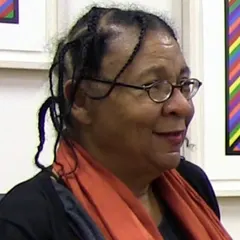
bell hooks was a writer and teacher. She noticed that many people, young and old, had grown cynical about love, which means they no longer believed in it. We have classes for every part of sex, she notes, but no schools for love. Her book gives a clear meaning of love and shows what stands in its way.
What you'll learn
Then a short quiz, and the key takeaways on one page.
Love is what you do
Love is a choice and an action, so strong feelings for someone are not the same as loving them.
Most of us never learned a clear meaning of love, and hooks says that is why it is so hard to do. She prefers a definition from the psychiatrist M. Scott Peck: love is the will to use your effort to help yourself or someone else grow in spirit. Spirit here means the whole person, where mind, body and spirit are one.
Peck sums it up: "Love is as love does." It is an intention and an action, so it is a choice. Nobody is forced to love. It is something we decide.
Care is one of six parts
Many people treat love as a feeling. But we can feel strongly attached to someone and still hurt or neglect them, while swearing it is love. Abuse and love cannot live together, because abuse is the opposite of care.
Her own childhood shows it. Her family gave real care, and there was delight in it. Shaming and humiliation came too. Looking back, she felt cared for but not loved. Care is one part of love, but a person can give care and still not be loving.
A clear meaning is a map. We can ask whether what we do helps someone grow.
Try this. Say Peck's meaning of love out loud in an ordinary conversation, with an adult or a child. The book says this is how a clear meaning spreads.
Childhood teaches love
Children learn what love is from how adults treat them, and there is no love without fairness for them.
Home is our first school of love, happy or not. Small children, hooks found, say love is a good feeling, like eating a favorite food. They say a mother's love means she takes care of you. So children learn that love means getting what they want.
Two kinds of home teach this badly. In one, children are hit and told it is for their own good. hooks and her brothers and sisters knew that was a lie. In the other, children are never punished and get what they ask for. The book calls overindulging a form of neglect. Both kinds of children link love to good feelings, reward and punishment.
At a party of educated professionals, almost all the guests over thirty said hitting children was necessary. A young mother said she never hit her son. She pinched his flesh until he got the message. The others backed her, and hooks stood alone for the child. Later she asked what people would say if a man pinched his partner that way. Everyone would be shocked. Yet the guests all called themselves loving, and for children they used another standard.
One act, two standards
That is why there can be no love without justice. At home children have no rights and no one to appeal to. They can only hope adults are fair.
Loving parents set boundaries before a child misbehaves and try to teach discipline without punishment. When they do punish, they use time-outs or take away privileges. They also teach children to put toys away after play, which builds responsibility.
Try this. If you raise a child alone, ask a friend to be a second parenting figure, like a godmother. A child can then turn to that adult when a parent seems unfair.
Love needs the truth
Love grows on trust, and lies and secrets wear trust away.
Truth and justice belong together. Children first learn fair play through telling the truth. But many also learn to lie, to dodge punishment or to spare an adult. Some are punished for honest answers, so they learn that truth hurts and lies keep them safe.
Her father once hit an older sister for lying, shouting "Don't you lie to me!" Yet the children knew he hid the truth himself. His way was to stay silent when asked, so he could never be caught. The book counts withholding as lying too.
Lies cover a false self. Many people wear a mask to hide fear, until they forget who they are underneath. Trust is the foundation of intimacy, the closeness between two people. When lies wear trust away, real connection cannot happen.
Privacy and secrecy
Honesty does not mean telling everything. We all need privacy, a space to be alone with our thoughts and share them when we choose. Secrecy is hiding things, usually to hold power.
She also tries to be kind. When a friend asks if she likes a gift, she answers truthfully, in a positive, caring way. Often the friend is annoyed anyway.
Try this. If someone asks you to dinner and you do not want to go, you can simply decline instead of making up a story. The book says this is fine when giving your reasons would hurt them.
5 more lessons in the app
Keep going with All About Love
The rest of this summary is in Bookmuse for iPhone, iPad and Android: one full summary is free every day, and Pro opens them all.
- 4Love starts with youYou cannot give what you refuse yourself
- 5Greed pushes out loveA culture of power and getting more leaves little room for love
- 6One love for every bondFriends, family and partners all deserve the same love
- 7True love is mutual workChoose love, talk honestly, listen and give
- 8Love casts out fearFacing death, shame and wounds with an open heart
- ?QuizCheck you got the big ideas, with the answers explained.
- ✓Key takeawaysEverything worth keeping, on one screen.
 Women Who Love Too MuchRobin Norwood
 Men Are from Mars, Women Are from VenusJohn Gray
 How to Be an Adult in RelationshipsDavid Richo
 Mindful Relationship HabitsBarrie Davenport, S.J. Scott
 8 Rules of LoveJay Shetty
 Modern RomanceAziz Ansari, Eric Klinenberg